
Choosing the Right Neighborhood: A Key Factor in Your Home Search
★ Key Takeaways
- Neighborhood factors such as school quality, crime rates, and amenities significantly impact home values.
- Homes in family-friendly neighborhoods often come with a premium price tag.
- Buyers are increasingly prioritizing lifestyle features and community attributes over the size or luxury of a home.
Table of Contents
When embarking on the journey to find a new home, the neighborhood you choose plays a pivotal role in your overall satisfaction and investment value. Beyond a house's physical attributes, the surrounding community influences daily life, property appreciation, and long-term happiness. For those seeking expert guidance in Brooklyn, consulting with Brooklyn NY real estate agents Poljan Properties can provide invaluable insights into the diverse neighborhoods of the area. Founded in 2012, Poljan Properties is dedicated to offering personalized service and expert advice to both New Yorkers and newcomers, ensuring clients find homes that align with their lifestyle and investment goals.
Location and Home Value
The adage "location, location, location" holds true in real estate. Factors such as proximity to quality schools, low crime rates, and access to amenities can significantly boost property values. For instance, homes near highly rated schools often see increased demand, which in turn drives up prices. Conversely, areas with higher crime rates or limited amenities may experience stagnation or decline in property values.
It is also worth considering proximity to public transportation when assessing a home's location. Easy access to subways, buses, or major highways can boost a property's desirability and, therefore, its price. In many urban regions, homes closer to efficient public transit tend to appreciate more rapidly because of reduced reliance on cars and easier commuting. Neighborhood walkability is another factor that has gained importance in recent years; areas with easily accessible shops, cafes, and community resources generally command higher prices and attract a broader range of buyers, especially among younger professionals and families seeking a vibrant lifestyle. These considerations, in combination with traditional factors like school quality, build the full picture of what makes a neighborhood truly valuable in today's home market.
The Premium on Family-Friendly Neighborhoods
Recent data indicate that homes in family-friendly neighborhoods are priced, on average, 42% higher than those in surrounding areas. This premium reflects the high demand for communities offering top-tier schools, safety, and family-oriented amenities. For example, in Houston's Memorial neighborhood, average home values are approximately 347% above the metro average, underscoring the value placed on such environments.
In locations nationwide, the attributes that make a place "family-friendly" go beyond just school districts. Features like playgrounds, walking trails, clean parks, libraries, and active neighborhood associations create a sense of security and togetherness that many buyers prioritize. The community in such neighborhoods tends to foster lasting relationships, engagement in local events, and a supportive environment for raising children. Additionally, investment in these communities, such as well-maintained public spaces and scheduled safety patrols, often results in higher resident satisfaction and lower neighborhood turnover. Notably, homes in sought-after school districts retain value even during market slowdowns, providing an extra layer of financial stability for homeowners.
Lifestyle Priorities in Home Searches
Modern homebuyers are increasingly prioritizing lifestyle features over sheer size or luxury. According to Zillow's 2025 report, there's a growing emphasis on flexible living spaces, outdoor access, and daily comforts like yards and patios. This shift indicates a desire for homes that cater to evolving lifestyles, including remote work and multigenerational living arrangements.
Moreover, the modern homebuyer increasingly expects access to reliable internet, ample natural light, and homes that facilitate easy transitions between work, relaxation, and socialization. Community amenities such as fitness centers, dog parks, and shared gardens are now just as important as the features within the home itself. Many buyers also seek neighborhoods with strong local businesses, diverse dining options, and spaces where neighbors gather, such as farmers' markets or community events. As society's priorities change, developers and real estate agents are responding by spotlighting such features in their marketing, recognizing that lifestyle and sense of community are frequently top-of-mind for today's buyers.
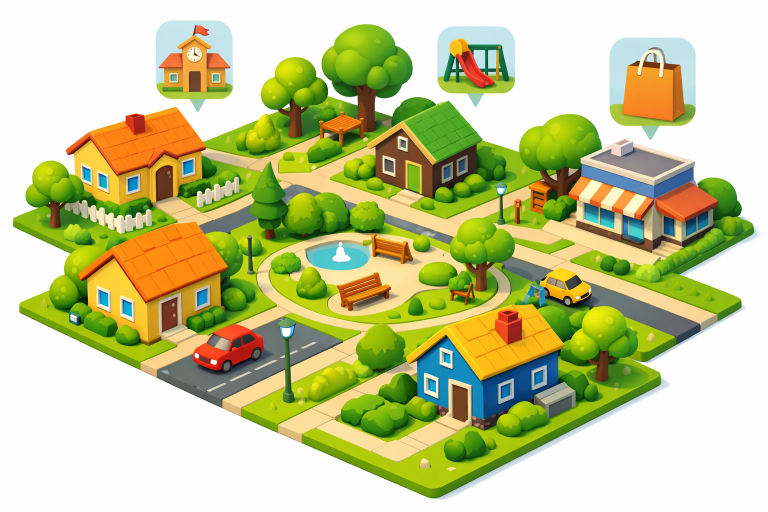
Choosing the Right Neighborhood
Selecting the right neighborhood involves more than just evaluating property prices. Prospective buyers should consider:
- Proximity to Work: Shorter commutes can enhance work-life balance.
- School Quality: Even for those without children, properties in good school districts often appreciate more.
- Amenities: Access to parks, shopping centers, and recreational facilities adds to daily convenience and enjoyment.
- Community Vibe: A neighborhood's culture and community events can significantly impact your living experience.
When evaluating a neighborhood, visit at different times of day to observe traffic, noise levels, and daily rhythms. Talk to neighbors and local business owners to gauge the area's reputation, community engagement, and upcoming developments. Tools such as neighborhood guides, school rating websites, and crime-mapping services can further inform your decision. It's also crucial to assess future growth plans, such as new transportation links or commercial zones, which can impact both the lifestyle experience and investment potential.
Engaging with local real estate experts can provide invaluable insights into neighborhood dynamics. For instance, consulting with real estate agents in Brooklyn, NY, can offer a deep understanding of the city's neighborhoods, helping you make an informed decision. Poljan Properties specializes in matching clients with homes that fit their lifestyle and investment goals, ensuring a seamless home-buying experience. Their personalized approach includes sharing neighborhood data, organizing tours, and providing transparent market analysis, all of which empower buyers to make choices that are both informed and aligned with long-term aspirations.
Conclusion
While the physical attributes of a house are important, the neighborhood in which it's situated plays a crucial role in determining your overall satisfaction and the property's long-term value. By carefully considering neighborhood factors and consulting with knowledgeable real estate professionals, you can find a home that truly meets your needs and aspirations.
Ultimately, the right neighborhood can provide not only a wise investment but also a higher quality of life. Whether your priority is a bustling urban setting or a quiet, family-oriented enclave, thorough research and expert consultation are your best tools. Remember, a home is more than its walls and roof; it is part of a broader community that shapes your daily life, opportunities for connection, and the enjoyment you'll experience for years to come.