


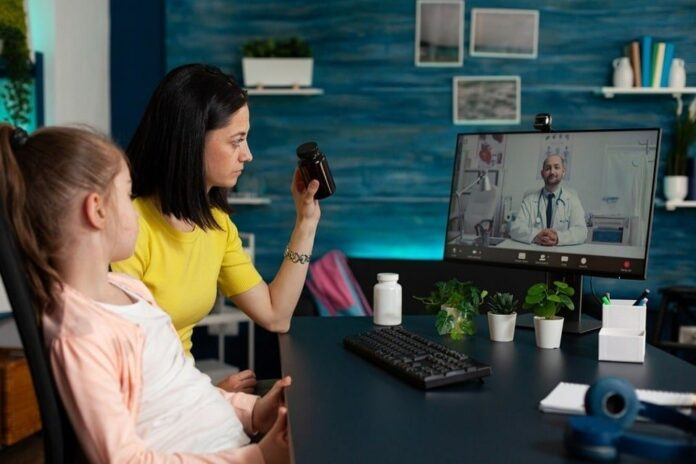
What is remote patient monitoring (RPM)? It’s a form of telehealth that allows doctors and other healthcare professionals to check on patients without spending time in a physical office.
Remote patient monitoring also allows patients to complete basic health tests themselves. These tests are valuable for a variety of reasons.
For example, they can help doctors detect conditions and educate their patients. They can also help patients feel more secure about the care they receive.
RPM is A Type of Telehealth
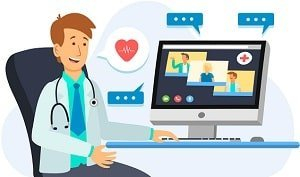 RPM is a technology that enables remote patient monitoring without the patient having to visit a healthcare center.
It uses a wearable device to collect and analyze health data and then sends that data to healthcare organizations.
They can use the information to monitor a patient’s health and make decisions based on it.
They can also use remote patient monitoring to help their patients monitor their stress levels and blood pressure.
RPM benefits patients and is especially useful for those with chronic conditions. It reduces the number of emergency visits to the hospital, and it allows physicians to treat their patients better.
It also saves healthcare facilities money since patients can get their prescriptions and test results without visiting the clinic.
Remote patient monitoring requires using FDA-approved medical devices and only 20 minutes per patient. Once the information is collected, RPM analyzes the data and alerts the physician if it is outside the set parameters.
Because telehealth services are not intended to replace in-person visits, reimbursement for remote patient monitoring is the same as in-person visits. RPM costs roughly $1,400 per patient per year for qualified patients.
It Does Not Require Interactive Audio-Video
CMS has proposed changes to RPM that would simplify how providers bill for this type of service. First, the new rules require that physicians obtain the patient’s consent to use the RPM service.
This consent can be provided by the billing physician or by a qualified healthcare provider. Second, the new rules will require less treatment time to qualify for reimbursement. This means that RPM providers can bill for less per month.
In addition, the new rules do not require physicians to have a face-to-face exam to be reimbursed for RPM services. This allows physicians to offer more personalized services, such as subtle reminders about diet and exercise. These reminders can also help improve a patient’s overall quality of life.
Another important benefit of remote patient monitoring (RPM) is that it can prevent unnecessary hospitalizations, readmissions, and ER visits.
In a study, RPM participants were 76% less likely to need a hospital stay, and the patient satisfaction and compliance rates were higher than 90%. This method also fosters increased patient engagement in their care, which is linked to improved health outcomes.
It Does Not Require Virtual Visits
RPM is a growing trend in telehealth, and more health providers realize its potential. The technology allows physician-patient interaction from the comfort of a patient’s home with RTM monitoring.
For example, a patient with diabetes can transmit their blood glucose levels to their physician, who can record and flag any abnormalities.
In addition to allowing the physician to monitor the patient’s glucose levels remotely, RPM can also be used to provide chronic disease education and support.
As an added benefit, patients do not need to travel for appointments and can be comfortable knowing that their healthcare provider is available no matter where they are located.
Additionally, the technology does not require a physical visit. This is a major draw for many healthcare providers. This flexibility allows them to expand the reach of their practice and increase the number of patients they can serve.
While many providers offer RPM services to patients, they often charge a per-visit fee. This fee is paid by patients and is not reimbursed through insurance companies. However, many providers have found that patients are okay with paying these costs instead of having their doctor visits.
It Reduces Emergency Room Visits
Remote patient monitoring (RPM) is a proven way to reduce emergency room visits and hospital stays for patients with hypertension.
It helps patients manage their blood pressure daily, making necessary behavior changes and following their treatment protocols.
RPM can be used to improve hypertension management in various settings, from hypertension education to remote care and virtual care. It is an inexpensive and convenient way to track patients’ blood pressure.
While many large health systems have access to the funding needed to implement RPM, many smaller medical practices can see similar benefits.
It can decrease emergency room visits and hospital stays, enhance patient communication and staff care, and cut administrative costs.
In addition, it improves patient satisfaction, loyalty, and the patient perception that their care provider is monitoring their health and well-being. In addition, RPM increases the chances that a patient can reach the healthcare provider when they need it most.
Remote patient monitoring allows physicians to assess patients’ health more frequently than with traditional methods. It can also help physicians take a preventive health approach.
For example, a remote patient monitoring system can send alerts to physicians if a patient begins to exhibit symptoms of a disease or changes in their behavior.


